If you breastfed and now look in the mirror feeling that your breasts have changed, know that you are not alone. This transformation is one of the most common concerns among women who have gone through pregnancy and breastfeeding.
Loss of volume, sagging, and the feeling that the breasts have “deflated” are real frustrations and impact self-esteem and the relationship with one’s own body. The good news is that there are solutions, and understanding which procedure fits your case makes all the difference.
We will explain when a breast implant after breastfeeding is sufficient and when it is necessary to combine other procedures to restore the natural shape of the breasts.
During pregnancy and breastfeeding, the breasts undergo significant changes in each trimester.
The greatest impact happens because, between the end of pregnancy and the postpartum period, the breasts increase significantly in volume. This growth causes stretching of the breast’s suspensory ligament. Like an elastic band that is overstretched, it retracts but does not fully return to its original state.
The honest answer is: it depends. Every body is unique and reacts differently after breastfeeding ends. The tendency is for the breasts to undergo changes after weaning, but that does not always mean returning to how they were before pregnancy.
It all depends on factors such as:
A breast that has never lactated usually has more glandular tissue and is firmer. When a woman breastfeeds, this tissue takes on a fatty texture. Therefore, it is expected that the breast becomes looser.
After weaning, the breasts take about three months to return to a size similar to what they were before pregnancy, but firmness and shape may not be the same.
Schedule your evaluation and learn how to restore volume and firmness to your breasts
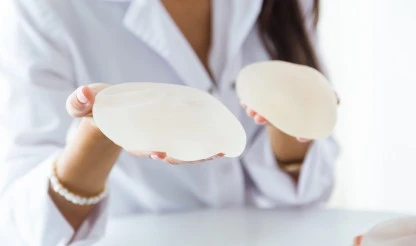
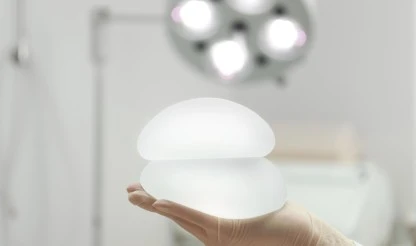
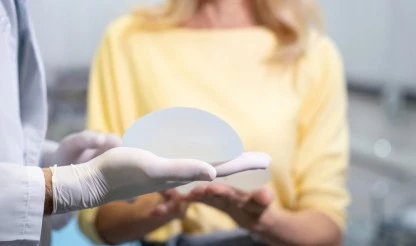
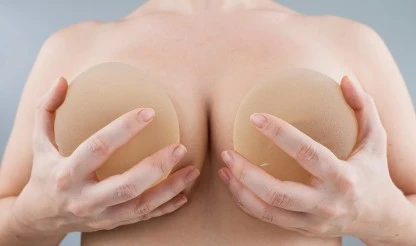
Yes, a breast implant after breastfeeding can restore volume and firmness, but it is not always sufficient on its own. The choice of procedure depends on the degree of sagging and the amount of excess skin present.
The exclusive use of a breast implant (breast augmentation) is sufficient to restore volume and firmness in specific cases:
Criteria for using only the implant:
In these cases, the implant alone restores volume, fills the skin, and provides a harmonious contour, restoring confidence and femininity.
Learn more about breast augmentation
When there is significant sagging, a large amount of excess skin, and/or the nipple is positioned below the inframammary fold, the implant alone will not solve the problem. The implant provides volume, but it does not effectively lift the breast when there is pronounced sagging.
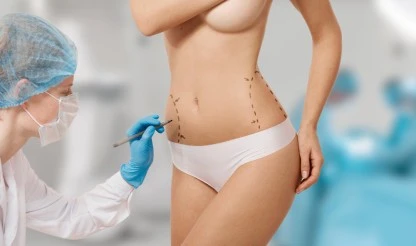
In these cases, it is necessary to combine the implant with mastopexy (breast lift), which involves:
Watch this video by Dr. Ricardo Silveira about the procedure
A mastopexy without implants is generally chosen by women with larger breasts, as removing excess skin already reduces volume. Mastopexy with implants compensates for lost volume and is ideal for smaller breasts.
It is recommended to wait at least six months after the end of breastfeeding so the breasts can return to their natural state and surgical planning can be more precise.
Schedule your consultation with Dr. Ricardo Silveira and start your planning
Choosing the plastic surgeon is decisive for the success of your procedure. Check whether the professional is a member of the Brazilian Society of Plastic Surgery (SBCP), as this certification attests that the surgeon holds specialist credentials and the necessary expertise to perform the procedure safely.
Important aspects to evaluate:
Dr. Ricardo Silveira is a full member of the SBCP, ASPS, and ISAPS, and treats women in Ribeirão Preto with a personalized approach and modern facilities.
During the consultation, he clarifies all questions in a practical and transparent way so that you feel confident and welcomed.
Schedule your consultation now
The final results can be observed after 12 months, which is the time required for complete healing.
It is important to understand that mastopexy does not stop the natural aging process, and there may be recurrence of breast sagging depending on skin elasticity and significant weight fluctuations.
Maintaining healthy habits, a stable weight, and wearing appropriate bras help prolong results and preserve the achieved shape.
Would you like to restore the shape of your breasts after pregnancy? Get an individualized and detailed evaluation.
Schedule your consultation with Dr. Ricardo Silveira and discover the best solution for your case.
Fill out the form or click the WhatsApp button on the side.

Olá! Preencha os campos abaixo para iniciar a conversa no WhatsApp